SynthKernel Raises Seed Round to Scale AI Yield Optimization Across Fabs
Funding will accelerate deployment at additional fab sites and expand defect classification coverage to compound semiconductor and power device nodes...

Technical analysis, process control deep-dives, and practitioner perspectives from the SynthKernel team.
Funding will accelerate deployment at additional fab sites and expand defect classification coverage to compound semiconductor and power device nodes...
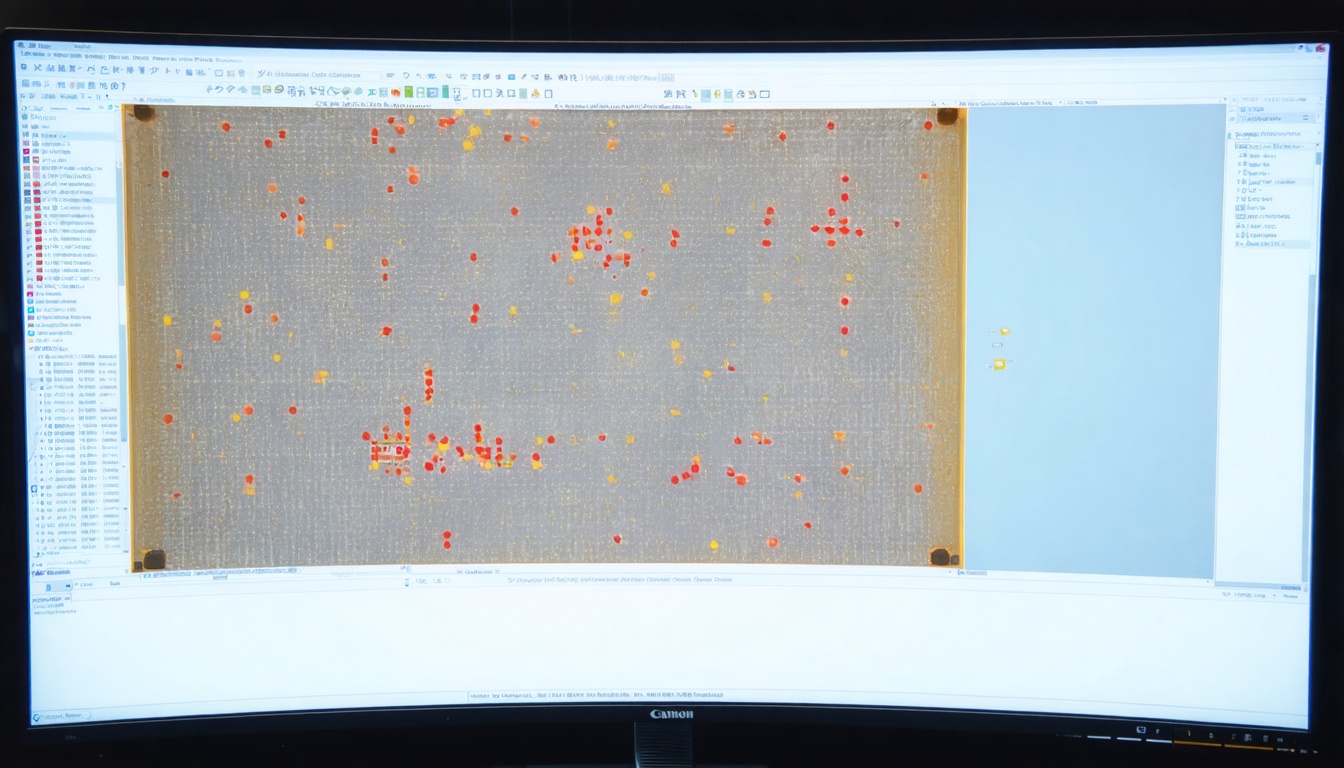
Inspection tools produce a map. A yield problem produces a pattern across maps. Here is why correlating across layers changes the diagnosis...
An accuracy number without context tells you nothing. This is what our classification model gets right, what it gets wrong, and which defect types still require human review...

Most fabs detect yield excursions within hours. The damage happens in the 24-72 hours before the root cause is confirmed. That gap is the problem we are solving...

SEMI E5 and E30 are straightforward on paper. The complexity lives in how different tool vendors implement the message structure and what they actually report versus what the spec says they should...
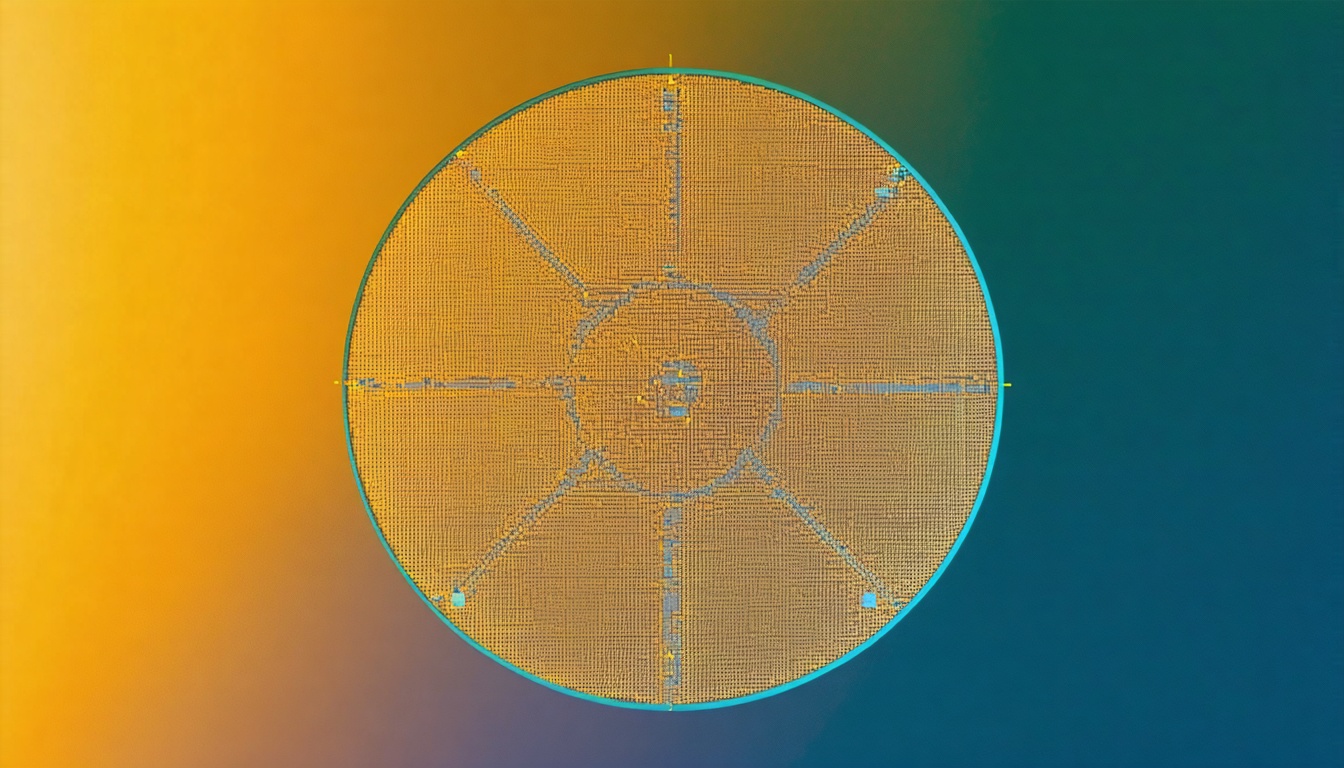
Edge ring, center spot, arc, and scratch patterns each point to different process steps. A yield engineer who can read spatial patterns quickly narrows the root cause candidate list before pulling a single equipment log...

Two nominally identical etch chambers processing the same recipe will not produce identical defect signatures. The question is how different is too different — and how to detect it automatically...
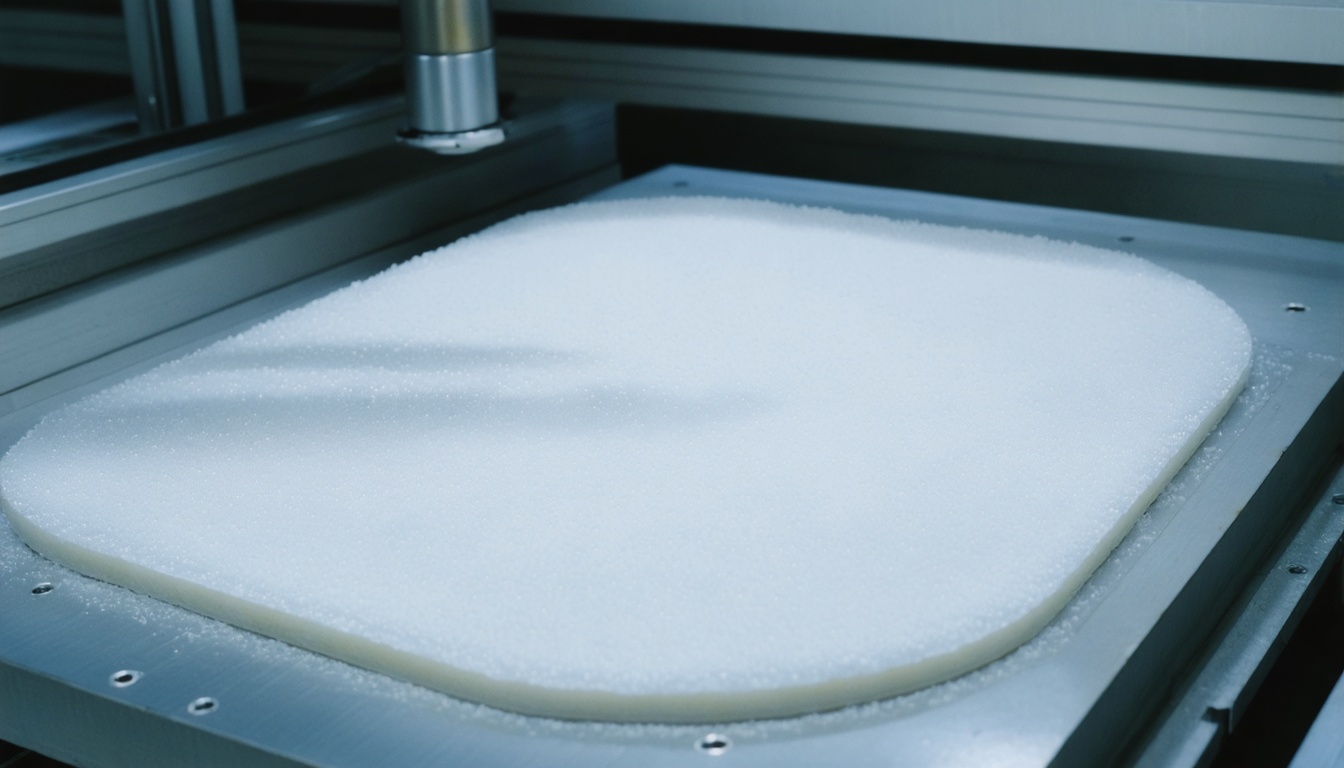
CMP damage does not always show up at the CMP inspection step. Surface roughness and residue from a CMP process can create yield problems at the next lithography or etch step that look like that process's failure...
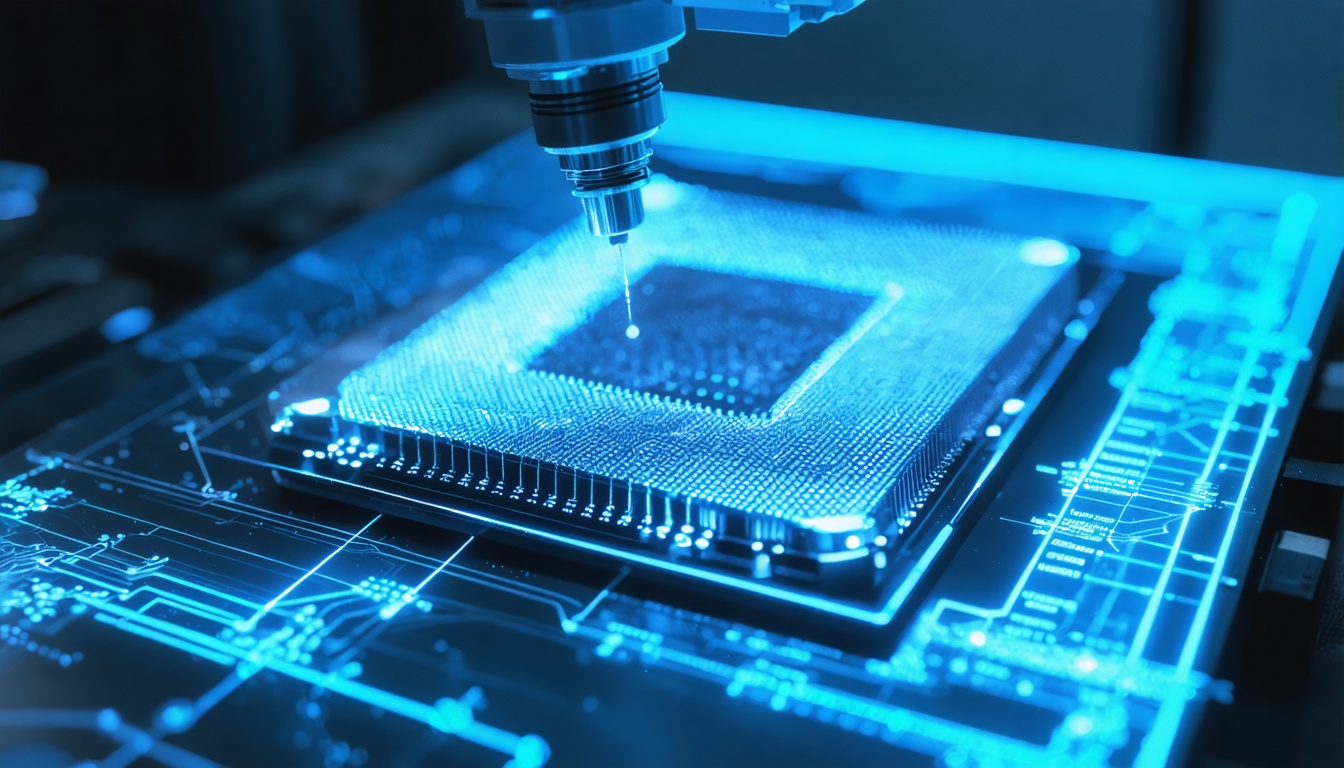
KLARF is a 30-year-old file format that remains the lingua franca of wafer inspection. Understanding its structure — and its limitations — is essential for any team building yield analytics...

Random defects respond to cleanliness and particle control programs. Systematic defects require process adjustment. Treating them the same way wastes engineering time on the wrong solution...
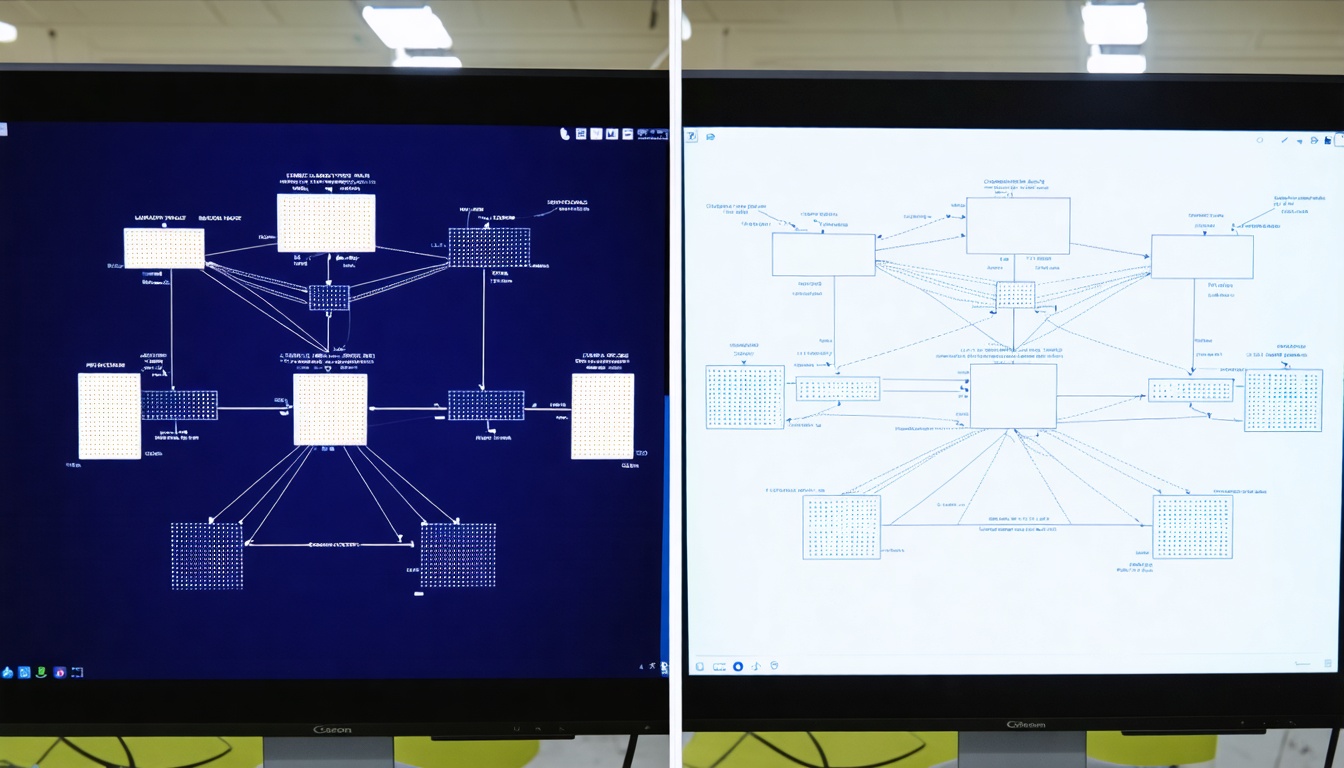
Rule-based bins are fast to set up and easy to audit. AI classifiers are more accurate and handle new defect types without reconfiguration. Neither is universally better — the right choice depends on your process stability and team capacity...
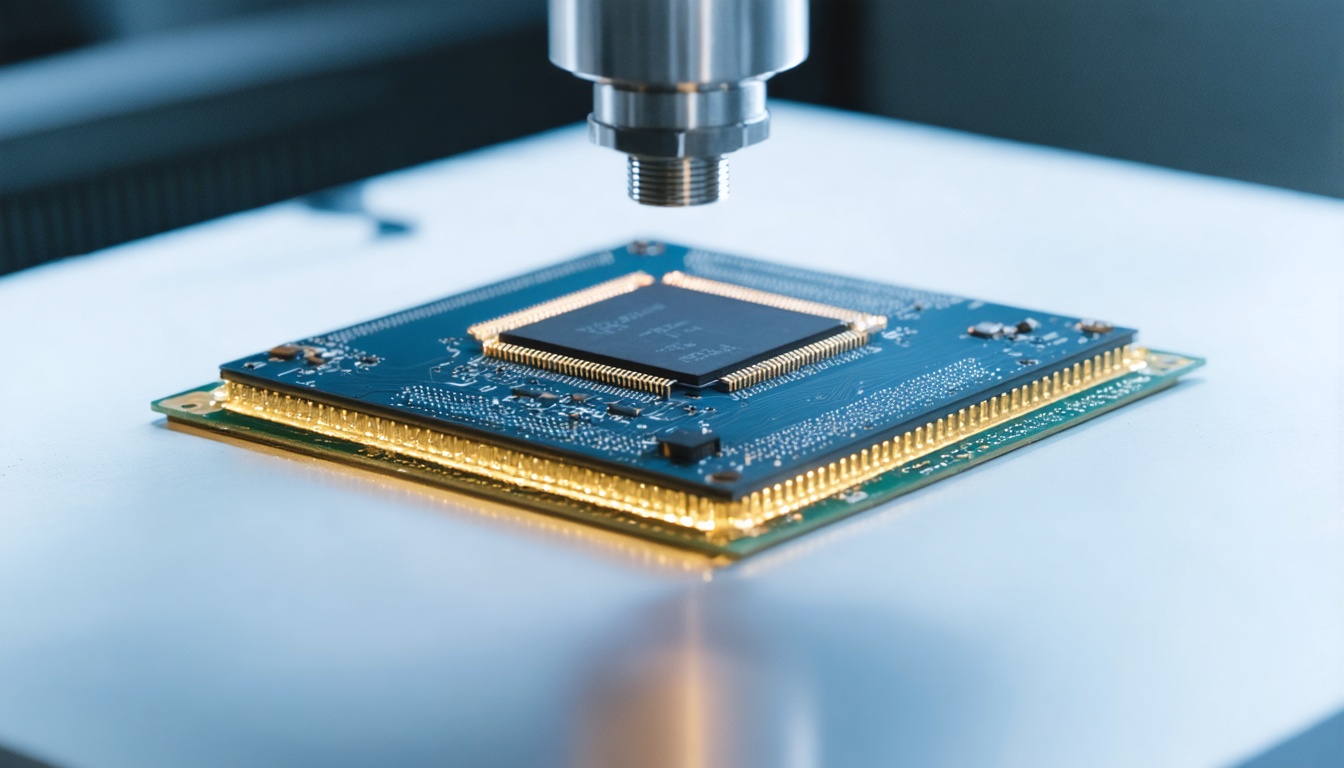
Electrical test at probe is the ultimate yield measurement. Most fabs treat inspection and probe data as separate workflows. Connecting them automatically is what makes root cause analysis fast instead of slow...