
No AI researchers who learned about semiconductors from papers. We spent years in fabs before we wrote a line of product code.
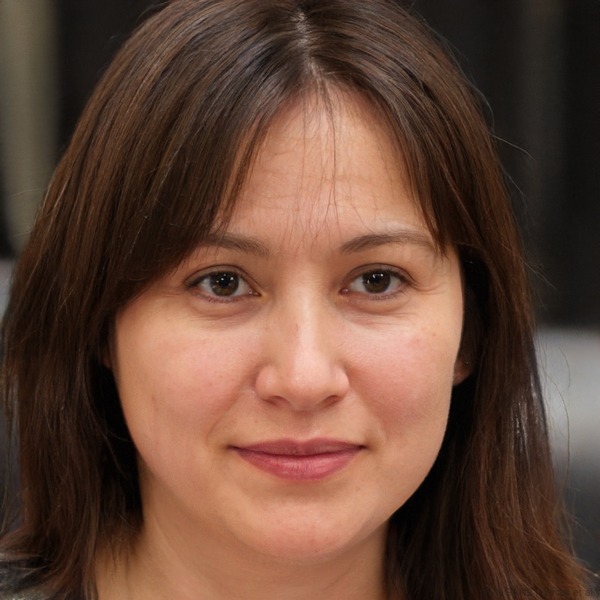
Co-Founder & CEO
Previously Senior Yield Engineer at TSMC North America, where she managed defect reduction programs across 16nm and 7nm FinFET lines. Led the team that reduced BEOL bridging yield loss by 34% over two process generations. MS in Materials Science from UC Berkeley. Started SynthKernel in 2024 after running the proof-of-concept that became the product.
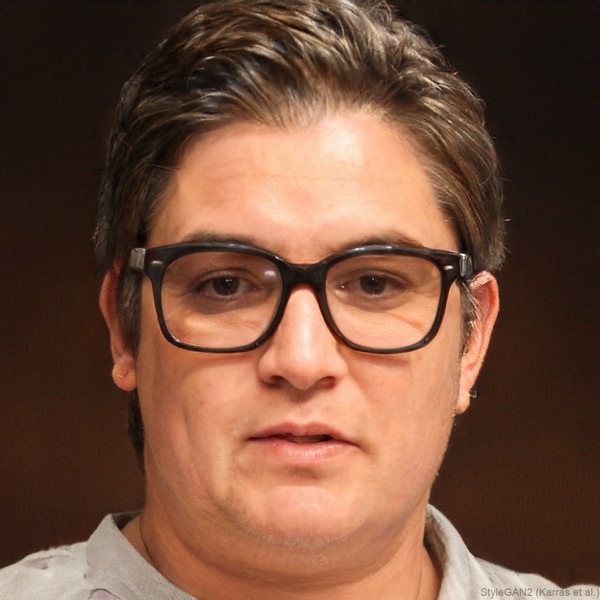
Co-Founder & CTO
Former Principal Engineer at Applied Materials, focused on inline inspection tool software and defect classification systems for the Enlight platform. Holds three patents in wafer defect spatial pattern recognition. PhD in Electrical Engineering from Stanford. Designed the multi-layer correlation engine that underpins SynthKernel's core product.
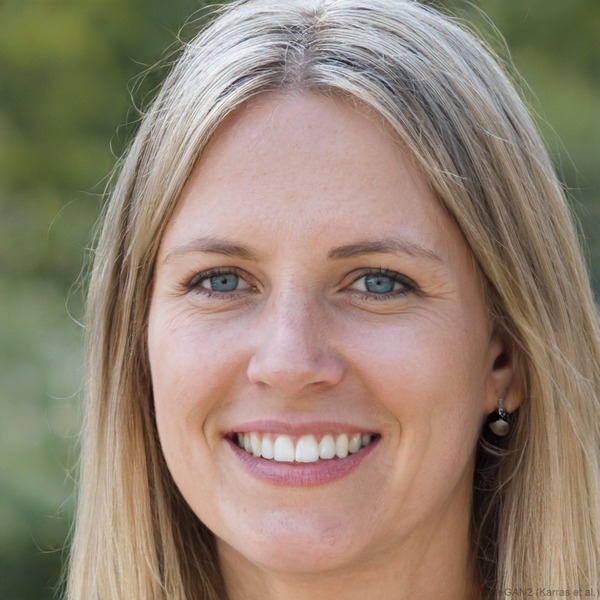
Co-Founder, ML & Systems
Previously at Samsung Semiconductor's yield analysis group, where she built the internal defect image classification pipeline used across Samsung Austin Semiconductor. Expert in training CNNs on imbalanced semiconductor inspection datasets where rare defect classes are the most yield-critical. MS in Computer Science from Carnegie Mellon.
We are eight people. Everyone who writes code has either worked in a fab or spent significant time on a fab floor running pilots. That's not an accident — it's a hiring filter.
Combined process engineering experience across the founding team
Fab sites where our engineers have worked alongside customers during pilot deployments
Team members — all technical, none in pure sales or marketing roles
Most early-stage companies hire fast to show traction. We hire slowly because the problems we're solving require people who can read a KLA KLARF file, understand why a CMP bowl pattern repeats every 25 wafers, and explain the difference between a random particle defect and a systematic etch loading effect to a yield engineer who's been in the fab since 6 AM.
If you have that background and want to work on software that a process engineer will actually use in production, we want to hear from you.
Reach Out About Roles